
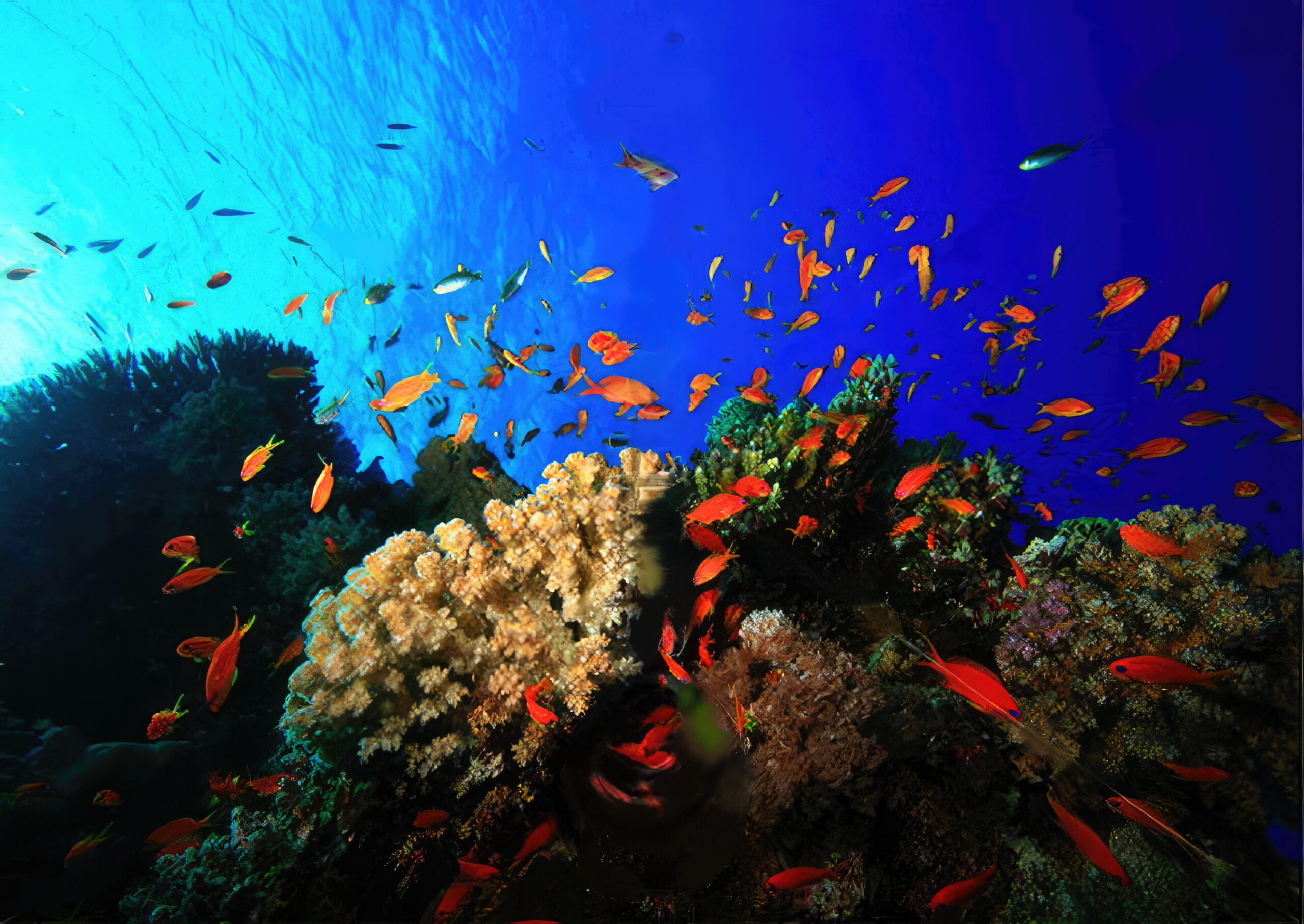
Seabed
The sea of Castiadas isn’t just beauty to be admired on the surface. Beneath the water lies a heritage of crystal-clear depths, surprising seabeds, and traces of history that make this stretch of coast even more fascinating. Here, the marine landscape combines naturalistic value with archaeological interest, transforming the shoreline into a space of discovery, memory, and wonder.
The waters of Castiadas are striking for their clarity and the variety of their underwater scenery. In locations such as Cala Pira, Cala Sinzias, San Pietro, and Santa Giusta, the seabed stands out for its transparency, colors, and formations that alternate between light sand, cliffs, ravines, and particularly evocative shallow sections. It is a sea that invites slow exploration, swimming, snorkeling, and diving, offering an experience that goes beyond a simple beach holiday.
But the sea of Castiadas also guards a less visible and therefore even more precious heritage: that of shipwrecks and underwater archaeological evidence. Research conducted in the marine area between Capo Carbonara and Capo Ferrato has identified and documented numerous submerged sites, featuring remains of wrecks, amphorae, lead anchors, wooden fragments, and isolated elements of great historical interest.
Among the most significant discoveries is the so-called wreck of the antefixes, considered an exceptional find dating back to between 30 BC and 30 AD. Important study, recovery, and documentation activities have developed around this discovery, helping to reveal the extraordinary archaeological richness of the Castiadas seabed. Alongside this wreck, other notable evidence has been reported, such as the “shoal of amphorae” and a 5th-century AD wreck, confirming this stretch of sea’s role as a space for navigation, landing, and trade over the centuries.
This submerged heritage adds depth to the tourist identity of Castiadas. It is not just a sea to be experienced for its natural beauty, but also a cultural landscape capable of telling ancient stories through what time has preserved beneath the surface. The proposal, which emerged from studies and mapping activities, to enhance these findings within a potential Underwater Archaeological Park goes exactly in this direction: making the sea of Castiadas not only a space for recreation but also a place of knowledge and cultural experience.
Visiting Castiadas therefore means discovering a territory that continues even below sea level. Between crystalline depths and submerged testimonies, the coast reveals another side of its beauty: quieter, deeper, but just as memorable.

