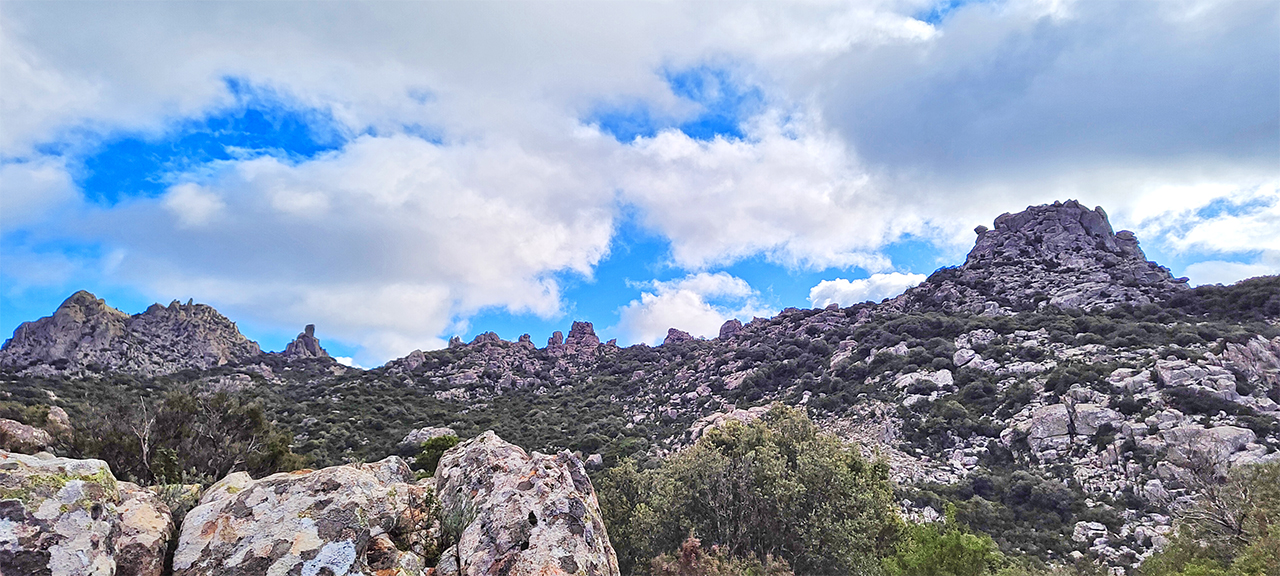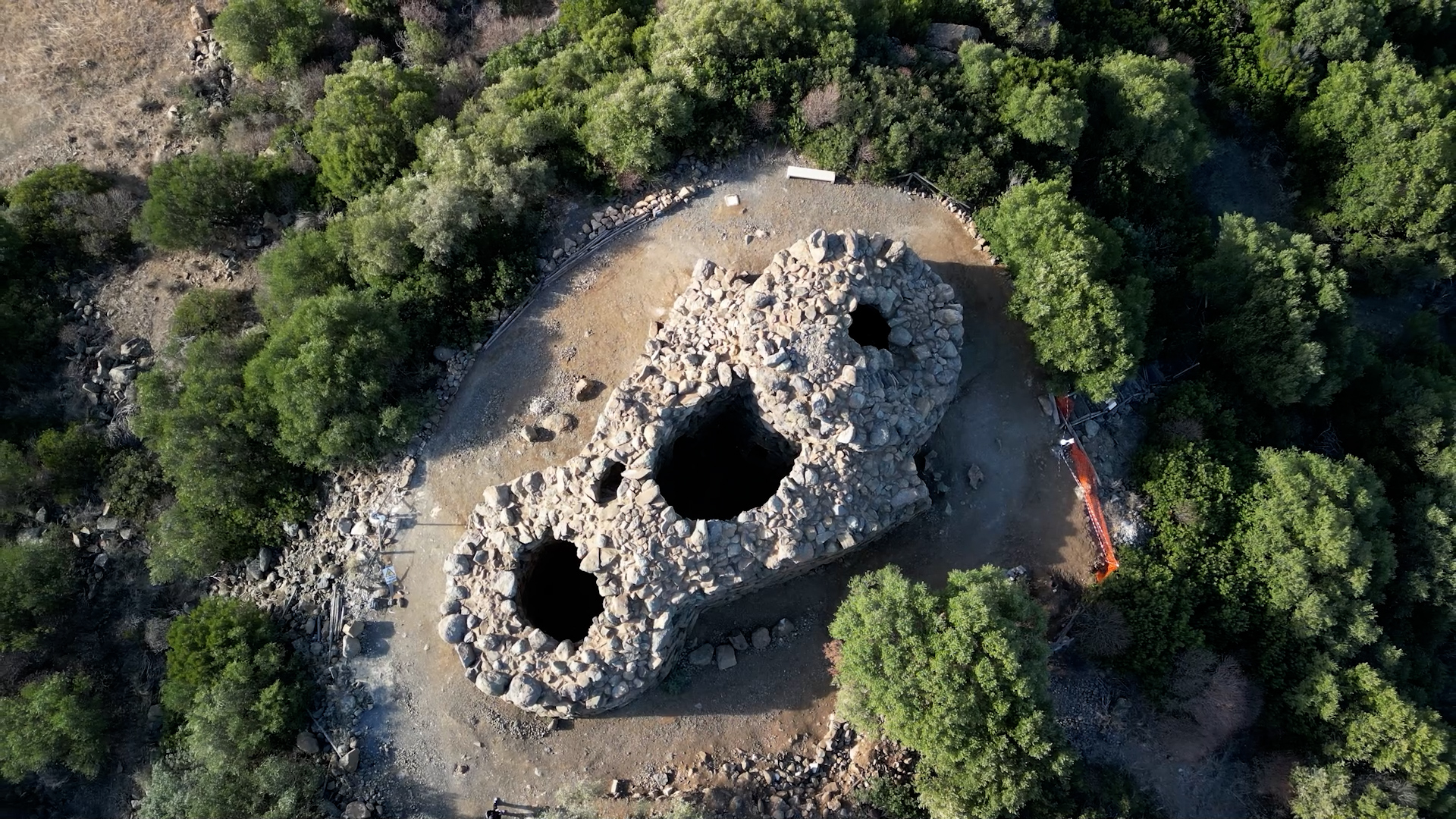
The territory of Castiadas preserves ancient traces of human presence. Various areas feature remains of prehistoric settlements linked to the pre-Nuragic and Nuragic worlds: these are often discreet testimonies, fragments of stone and walls barely emerging, which time and vegetation have partially “reabsorbed” into the landscape. Yet, it is precisely this hidden dimension that makes the discovery even more fascinating for those who enjoy walking mindfully and reading the land.
Among the most interesting highlights are the Domus de Janas in the Maloccu area: small chambers carved into the rock, ancient hypogean structures that date back to an era before the nuraghi. They are evocative and quiet places that tell the story of a very distant Sardinia and a way of living (and imagining the afterlife) that was already surprisingly structured.
Over time, many folk tales have also grown around these cavities carved into the stone: stories that attribute the “houses” to mysterious and tiny beings linked to the night, magic, and extraordinary abilities. Today, scholars interpret the Domus de Janas as burial sites: funerary spaces designed to recall the domestic environment, almost as if to recreate a “home” for the passage and continuity of the deceased. There are over a thousand of them in Sardinia, confirming a widespread and important tradition.
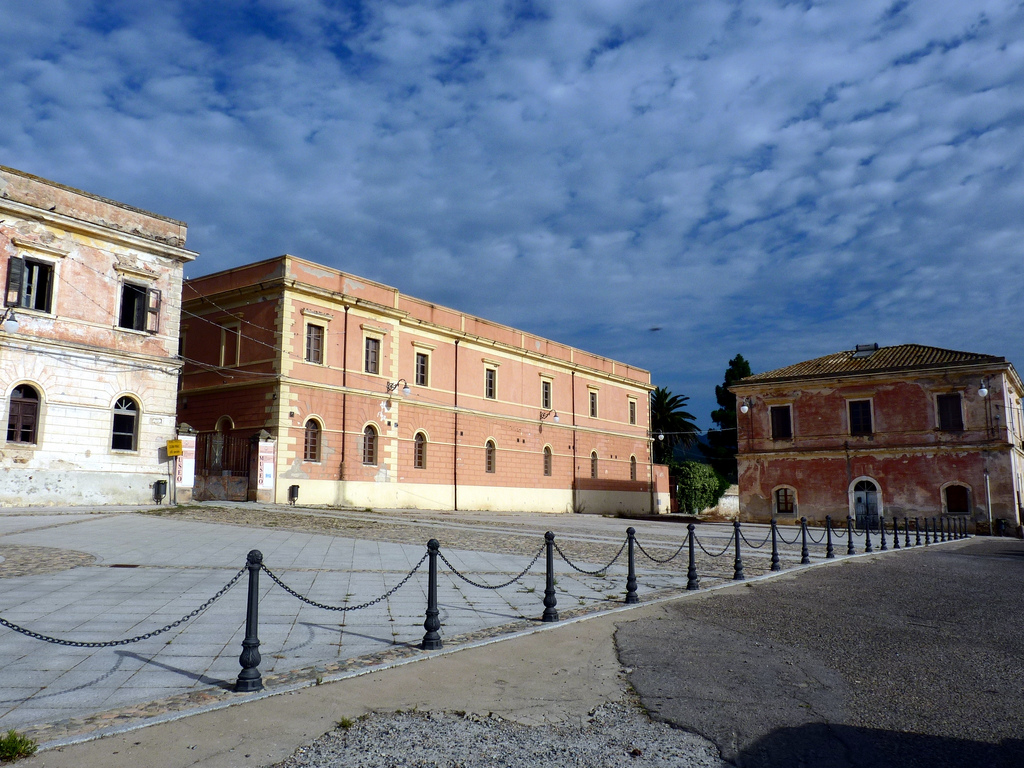
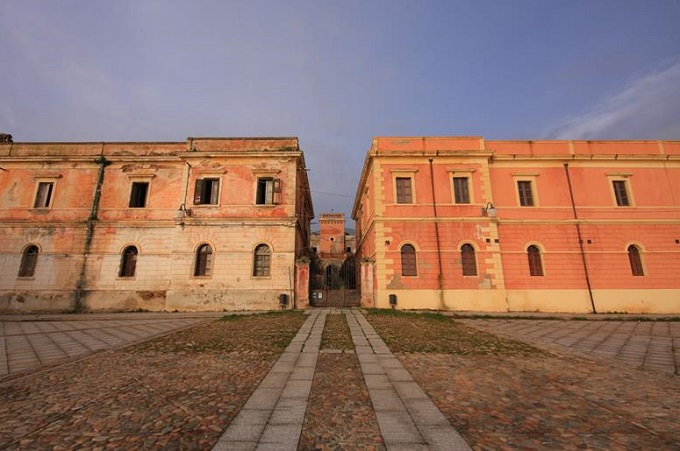
Alongside the more ancient testimonies, Castiadas also offers a place that tells a much more recent story: the Old Prisons Museum. Housed in the rooms of the ancient complex, the museum allows you to retrace a significant page of local memory, linked to the period of the penal colony and the transformation of the territory. It is a visit that helps you understand not only the buildings but also the social and human context that shaped the identity of Castiadas.