In Castiadas, agriculture and livestock are part of the history and identity of the area. The plain, wide and mostly flat, has always offered land suitable for crops and grazing, while the reclamation works started between the 19th and 20th centuries made once-difficult areas productive, helping to reshape the rural landscape. The agricultural penal colony played a central role in this journey: organized clearing and cultivation activities were developed here, with production focused on cereals and vegetables, along with livestock management and other processes linked to local resources. After World War II, with the agrarian reform, the district was further structured through farms and smallholdings, strengthening a rural vocation that still coexists today with the tourism development of the area.
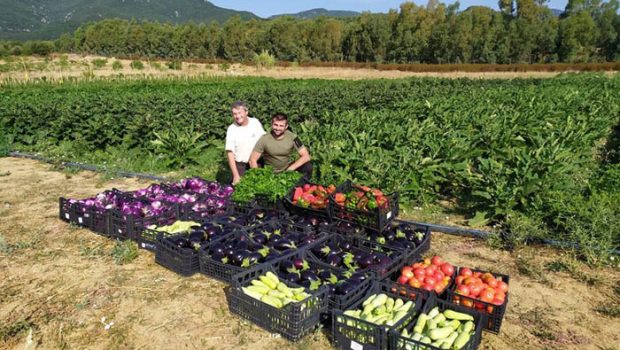
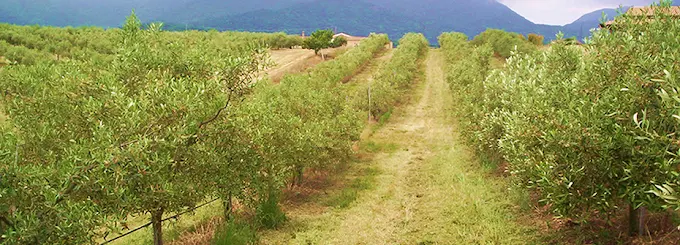
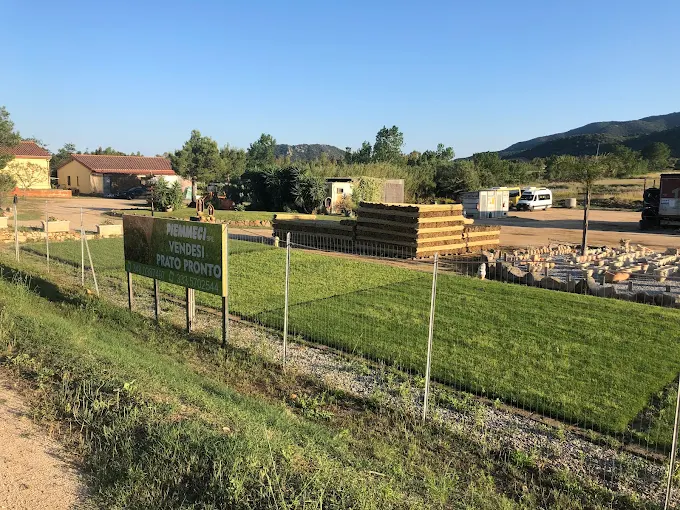
In Castiadas, agriculture is part of the territory’s DNA: the large plain and the reclamation efforts, together with the subsequent land reorganization, favored the birth of farms and estates and shaped a rural landscape that is still clearly recognizable. Today, production follows two paths: on one hand, more “classic” crops such as arable land and fodder; on the other, more specialized activities with vegetable gardens, orchards, and especially citrus groves, where oranges, mandarins, and clementines are grown, along with other typical Mediterranean crops.
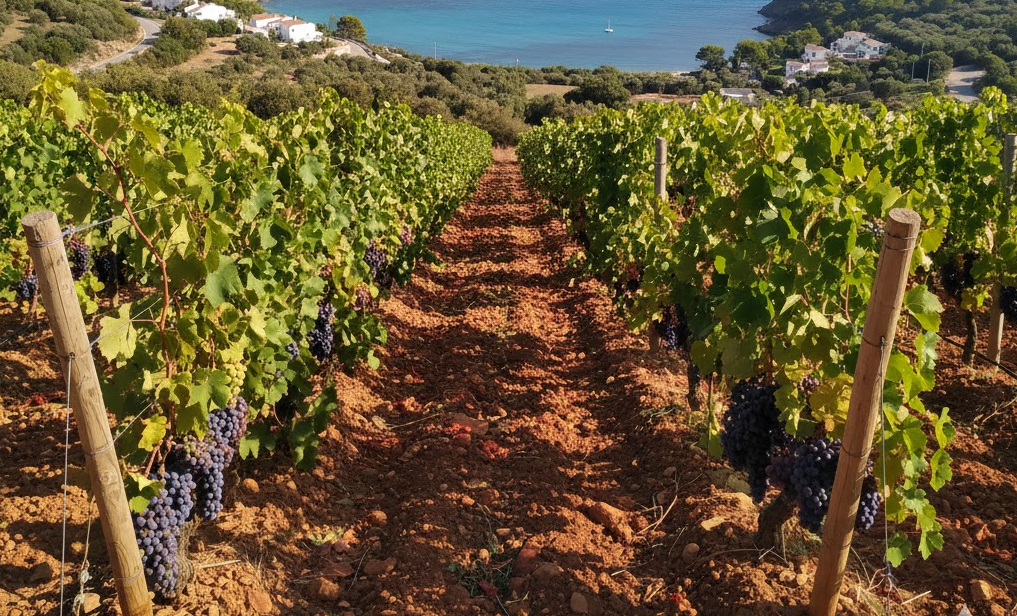
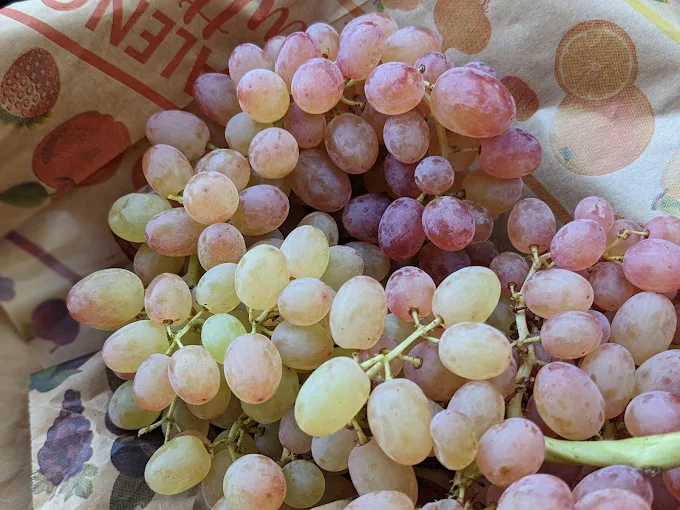
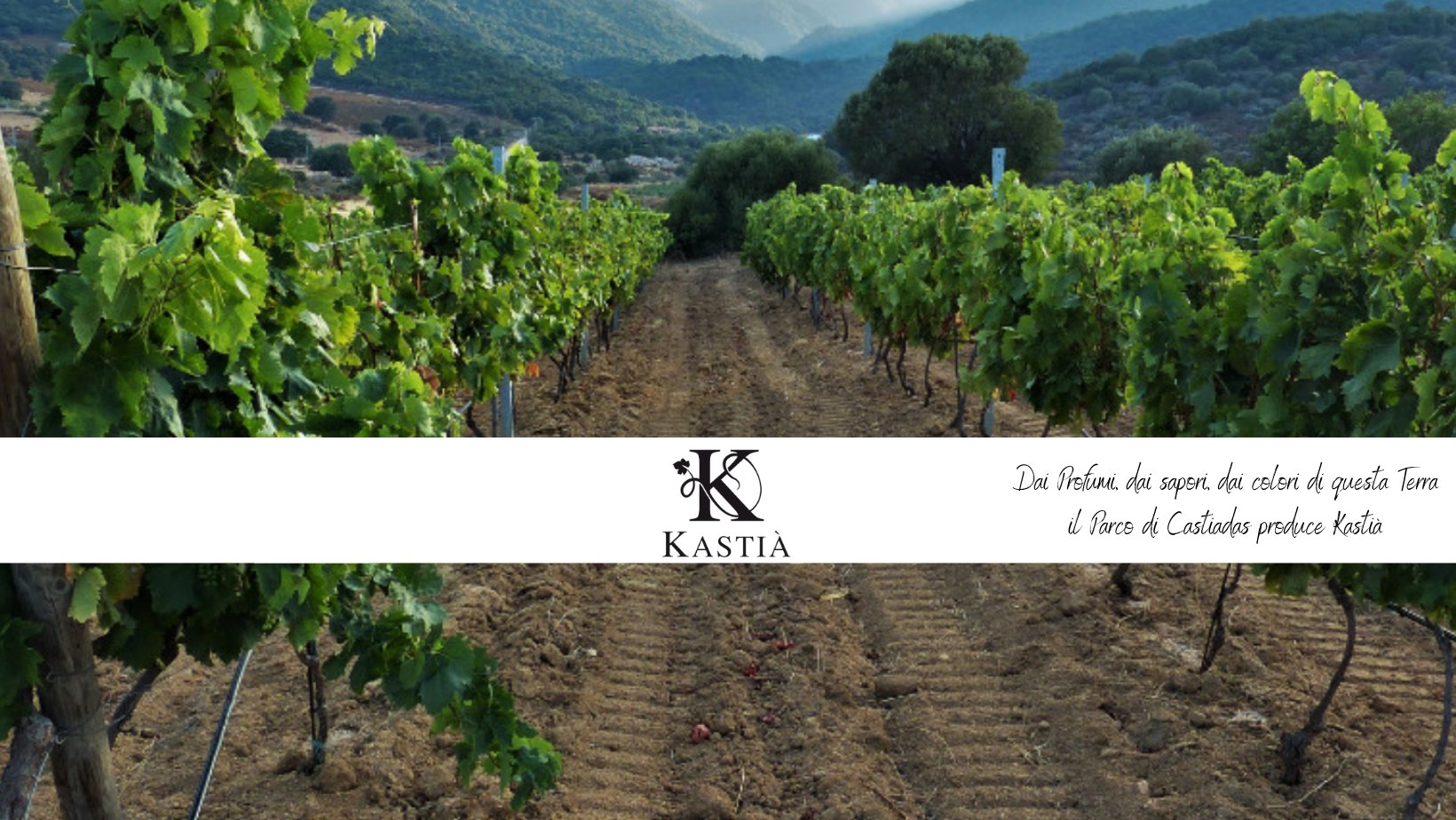
The vine is also an important chapter: the presence of the local cooperative has supported viticulture over time and continues to represent a point of reference for producers. Alongside traditional crops, the area is also making the most of resources linked to the scrubland: in recent years, the cultivation of myrtle has developed significantly, a sign of a sector that is renewing and diversifying.
Livestock farming completes this picture: in the more inland areas, sheep and cattle farming is particularly widespread, with goats, pigs, and horses also present, often in extensive systems linked to pastures. Beekeeping is also present, favored by the biodiversity of the area, with honey production and derivatives linked to the flowering of the Mediterranean scrub.